Spiders in the House in the Fall: Why You See More and What to Do
A big spider crossing the living room at night, another in the bathtub in the morning, webs in the corners of the basement: in October, many people feel spiders are "invading" the house. In Montreal as well as in Laval, on the North Shore and on the South Shore, it is a question we hear a lot at this time of year. Most of the time it is not dangerous, but it is often a useful clue about what is going on in the house.
Why you see more spiders in the fall
Males are on the move
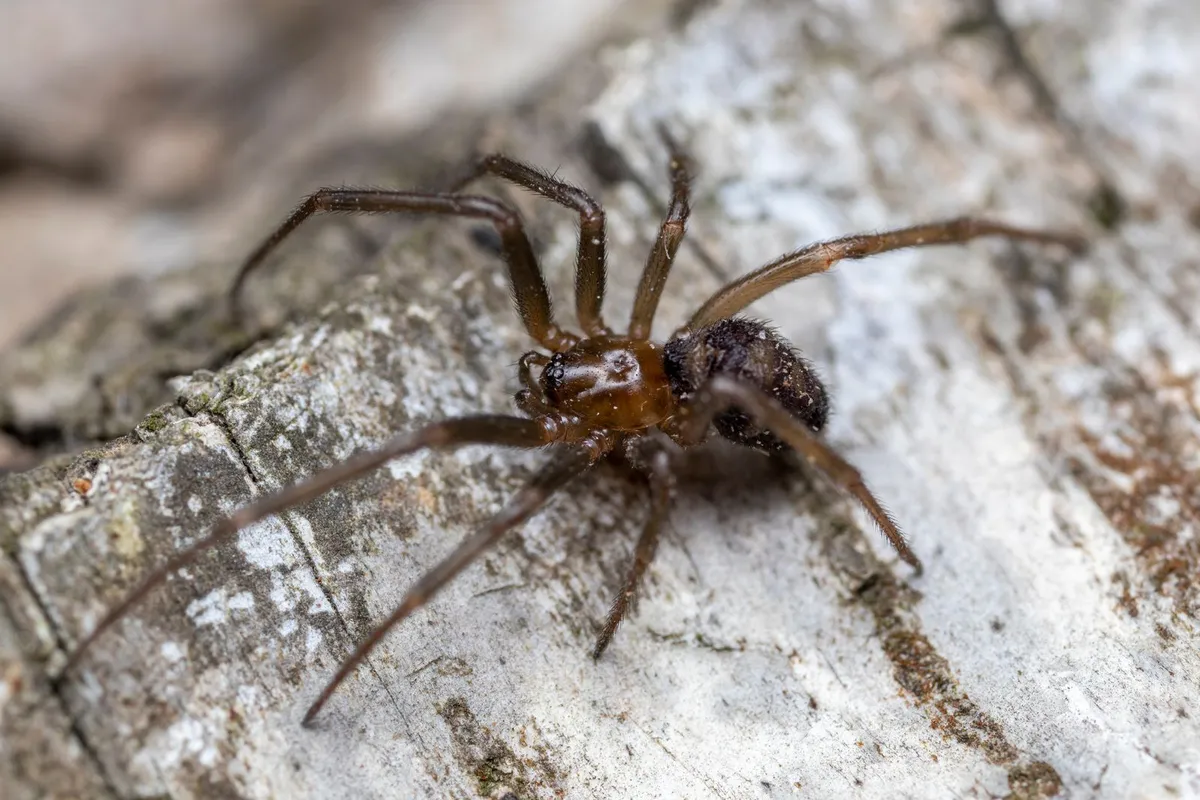
In several common species, adult males leave their hiding spots in late summer and fall to look for a female. They travel a lot, mostly at night, so you run into them more often on floors and walls. They are often the ones you find in the sink or bathtub: they fall in and cannot climb the smooth sides. They do not come up through the drains.
The cold pushes some spiders indoors
As nights get colder, spiders living near the foundation, in flower beds, firewood or dead leaves can come in through the same openings as other insects: under doors, basement windows, cracks and pipe gaps.
They follow the food
A spider settles where it finds prey. If you see lots of webs, there are often other insects in the house: cluster flies on the windows, sowbugs or centipedes in the basement, silverfish in the bathroom. Fewer insects means fewer spiders.
The spiders most often found in homes
- The common house spider (small, brownish): messy webs in corners, behind furniture and near windows.
- The cellar spider, with very long, thin legs: basement ceilings, garages and damp corners.
- Wolf spiders: larger and hairy, they do not build webs and run along the floor, mostly in basements and garages of homes near fields or woods.
- Jumping spiders: small and stocky, often on sunny windowsills.
Are they dangerous?
The spiders found in homes in southern Quebec are not considered dangerous to people. They avoid contact, and bites are rare. When they do happen, they usually look like an insect bite. Truly concerning species are very rare here. If a bite becomes very swollen, red and painful, or if you have unusual symptoms, call Info-Santé 811 or see a health professional. Many "spider bites" are actually something else (bed bugs, fleas, skin irritation): if bites keep appearing at night, it is worth having it checked.
How to have fewer spiders
Indoors
- Vacuum corners, behind furniture and the basement ceiling: you remove webs, spiders and their egg sacs. Empty the bag or canister outside.
- Lower the humidity in the basement with a dehumidifier: less moisture means fewer sowbugs and centipedes, so less prey.
- Declutter cardboard boxes on the floor, piled clothes and stacks of newspapers, which make perfect hiding spots. Use closed plastic bins instead.
- Use sticky traps along basement and garage walls: they catch spiders walking on the floor and show where they come from.
Outdoors
- caulk cracks, install door sweeps and put mesh over basement windows and vents;
- keep firewood, dead leaves and mulch away from the foundation;
- repair screens before storing them for the winter;
- limit outdoor lighting near doors: light attracts insects, and spiders follow.
What to avoid
Spraying insecticide all over the house does little: spiders hide, and the products leave residue where children and pets live. Never use foggers ("bug bombs") in a dwelling. They do not solve the problem and can be dangerous, especially in a plex or apartment building where air moves between units.
When to call an exterminator
A few spiders in the fall is normal. Call a professional if:
- you see spiders every day, in several rooms, despite cleaning;
- the basement, garage or a commercial space is covered in webs that quickly come back;
- you also notice lots of other insects, a sign of a bigger problem;
- someone in the home has a severe phobia or unexplained bites.
A technician identifies the species, finds where they get in and what they are feeding on, then applies a targeted treatment indoors and around the exterior perimeter, with advice to keep them from coming back. Not sure which species it is? Send us a photo or check our Identify a pest page. ExtermZone serves Montreal, Laval, the North Shore and the South Shore: (514) 295-7696.