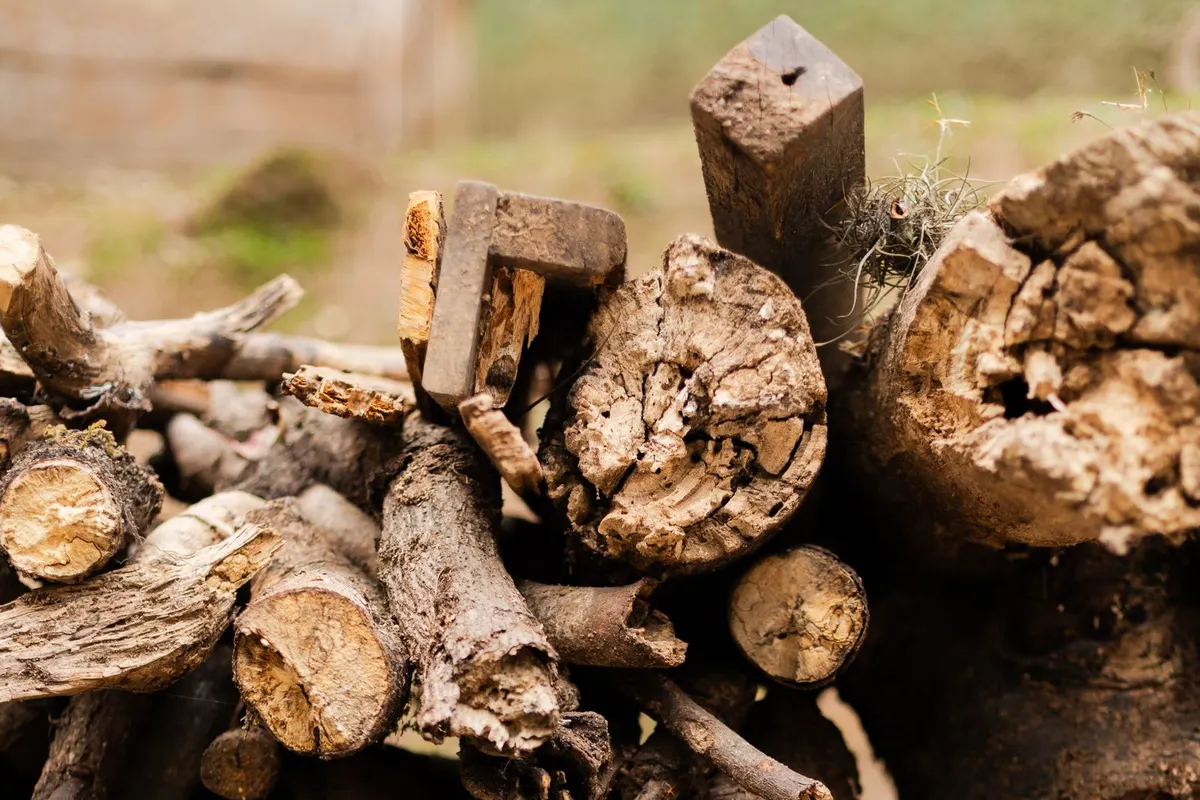
Firewood: How to Avoid Bringing Insects Into the House This Winter
With the first cold evenings of November, many families in Laval, on the North Shore and on the South Shore light up the fireplace or the wood stove again. In Montreal too, many plexes and townhouses still have a fireplace that gets used in winter. Firewood is practical and cozy, but it has a drawback people often forget: a woodpile is a shelter for insects. Placed in the wrong spot or brought in too early, it can let unwanted visitors into the house. Here is how to store and handle firewood to avoid bad surprises.
Which insects hide in firewood?
A woodpile outdoors offers shade, moisture and cracks: everything insects need to settle in for fall and winter. The most common ones in our region:
- Carpenter ants: they dig galleries in damp or damaged wood. An infested log brought into the warmth can wake up the ants inside it. The real risk is a woodpile stacked against the house, which acts as a bridge to the walls.
- Spiders: they hide between logs and under the bark. Most are harmless, but nobody likes to see them crawl out next to the fireplace.
- Woodlice, earwigs and centipedes: they like the moisture at the bottom of the pile and on the ground. Brought in with the wood, they often die quickly in the dry indoor air, but their presence shows that the wood is too damp.
- Insects that live in wood (some wood-boring beetles): they can come out of a log stored in the warmth for a few days. They live in firewood, not in the dry, finished lumber of your house.
Firewood can also attract mice, which find shelter under a pile stacked against a wall or inside a garage. That is one more reason to choose the location carefully.
Where to stack firewood
- Away from the house. Leave a good gap between the woodpile and the walls of the house, garage or shed, ideally a few metres. A pile leaning against the siding is the most common mistake.
- Off the ground. Set the wood on pallets, blocks or a metal rack so air can flow underneath and the bottom of the pile does not rot on the ground.
- Covered on top only. A tarp or small roof protects it from rain and snow. Leave the sides open so the wood can dry.
- Not in the basement or attached garage for the whole winter. Storing a large amount of wood indoors invites insects and rodents to spend the winter in the warmth with you.
Choosing the right wood
Dry, well-seasoned wood burns better and shelters far fewer insects than green or damp wood. Buy your wood locally and avoid moving firewood over long distances, for example from a cottage to the city: authorities advise against it, because wood can carry insects that harm trees. If a log is soft, hollow, full of sawdust or galleries, do not bring it in.
How to bring wood in without bringing insects in
- Only bring in what you will burn that day or within 24 hours. The longer a log stays in the warmth, the more time insects have to wake up and come out.
- Shake or knock each log outside before bringing it in, to drop spiders and insects hiding under the bark.
- Use a log carrier or a bin instead of stacking wood directly on the floor, and empty the bark debris after each use.
- Keep the wood away from interior walls, not tucked under a window or against wood trim.
- Do not spray insecticide on firewood. The wood will burn inside your home: it is no place for chemicals. And never use bug bombs (foggers) in a dwelling: they do not solve the problem and needlessly expose the occupants.
Signs the problem is inside the house
A few insects coming out of a log near the fireplace is not an infestation. However, some signs show that the insects no longer come only from the wood:
- carpenter ants walking around far from the fireplace, or winged ants in the house in winter;
- fine sawdust under a baseboard, a window frame or in the basement, where there is no firewood;
- mouse droppings in the garage, the shed or where the wood used to be stacked;
- insects that keep showing up even when you no longer bring wood in.
In that case, the nest or shelter is probably inside the building. Our article on ants in the house in winter explains how to recognize an indoor nest.
When to call an exterminator
Call if you keep seeing carpenter ants, if you find sawdust or galleries in the wood of the house, if mice have moved into the garage or shed, or if a woodpile has been leaning against the house for a long time. A technician inspects the walls, foundation and damp areas, identifies the insect and chooses a targeted treatment, without treating the wood you are going to burn. For mice, rats, cockroaches and bed bugs, our treatments come with a 6-month guarantee.
ExtermZone serves Montreal, Laval, the North Shore and the South Shore, 24/7. Call us at (514) 295-7696 for an inspection or advice before you stack your wood.